01What is a Remote Man Camp rental?
+
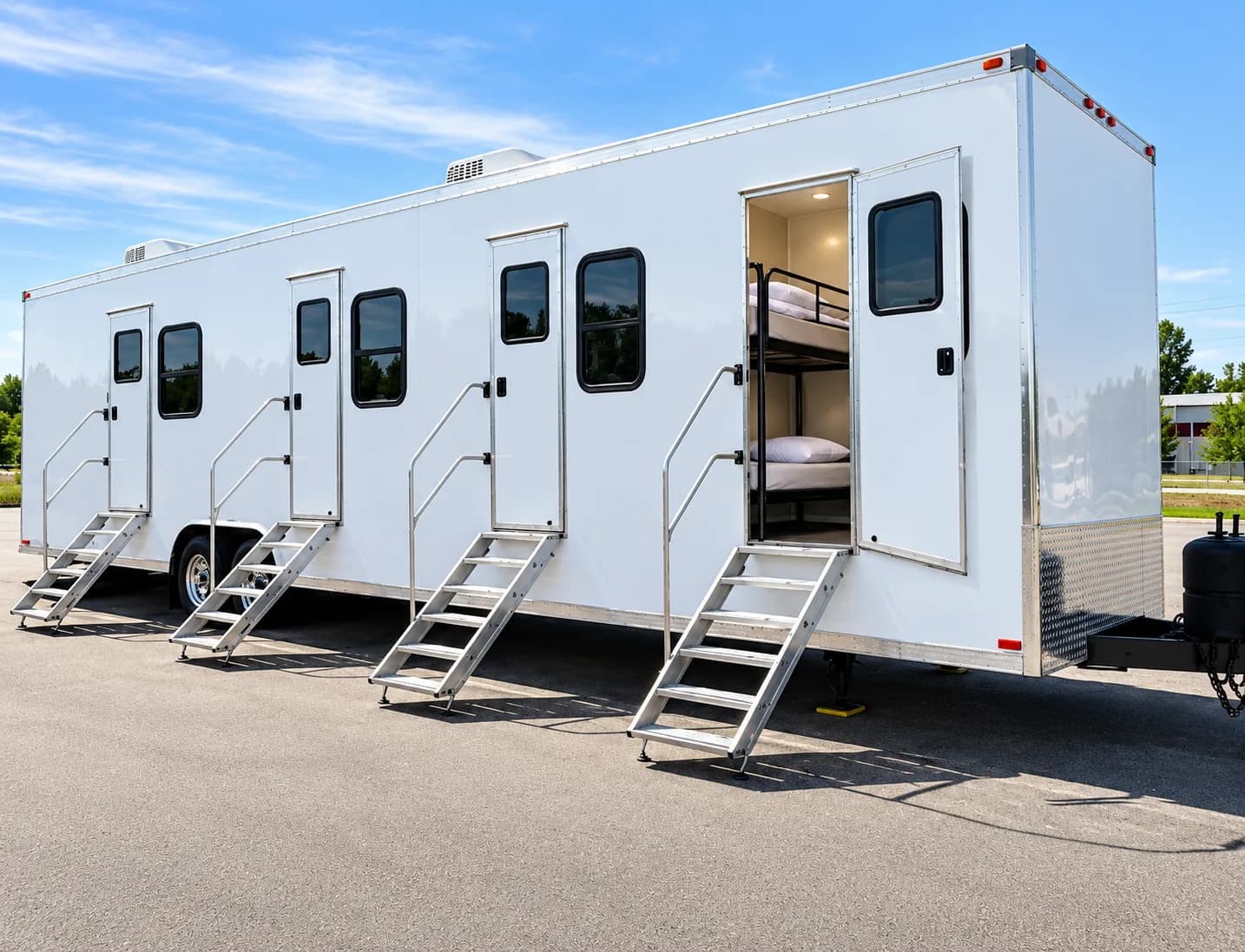
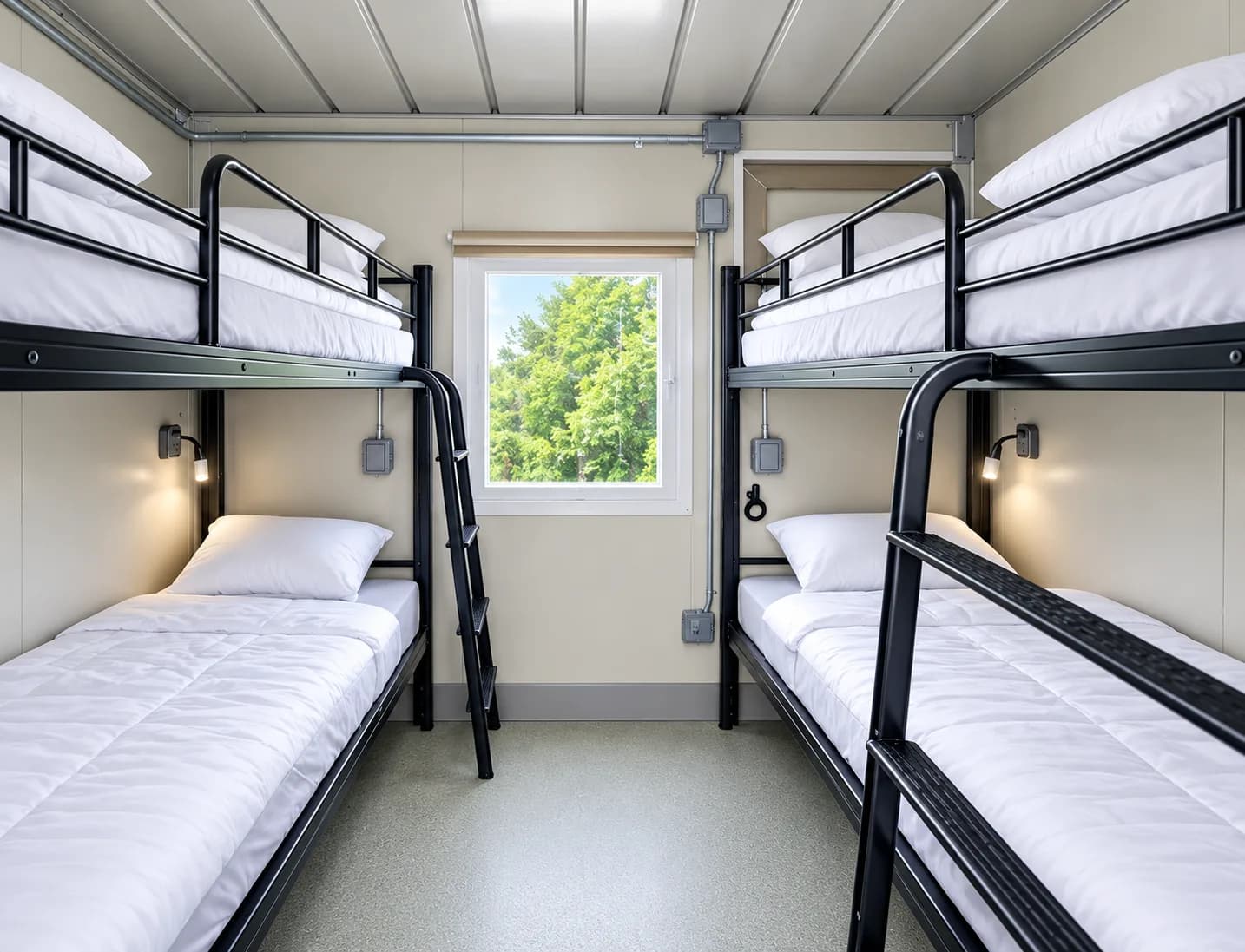
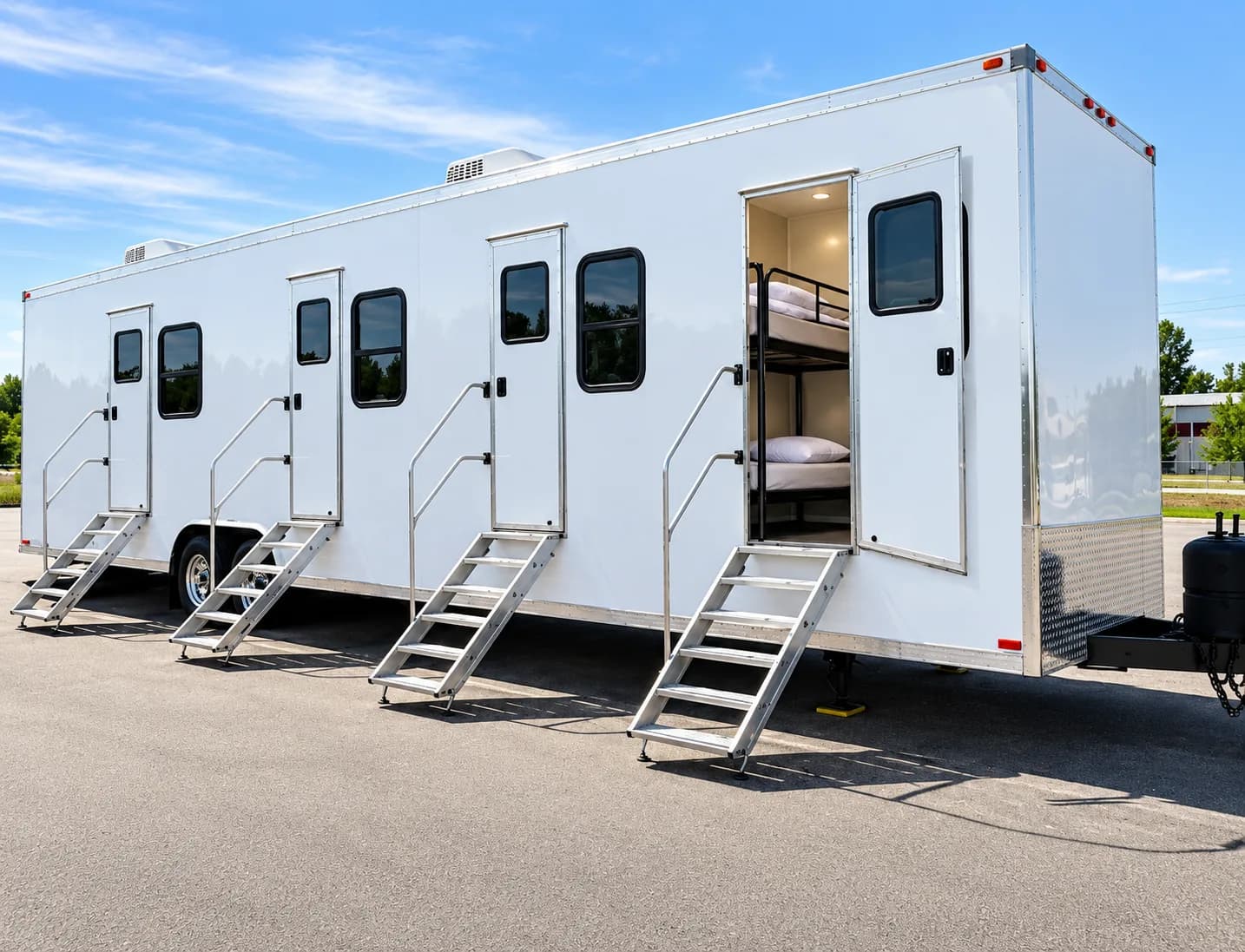
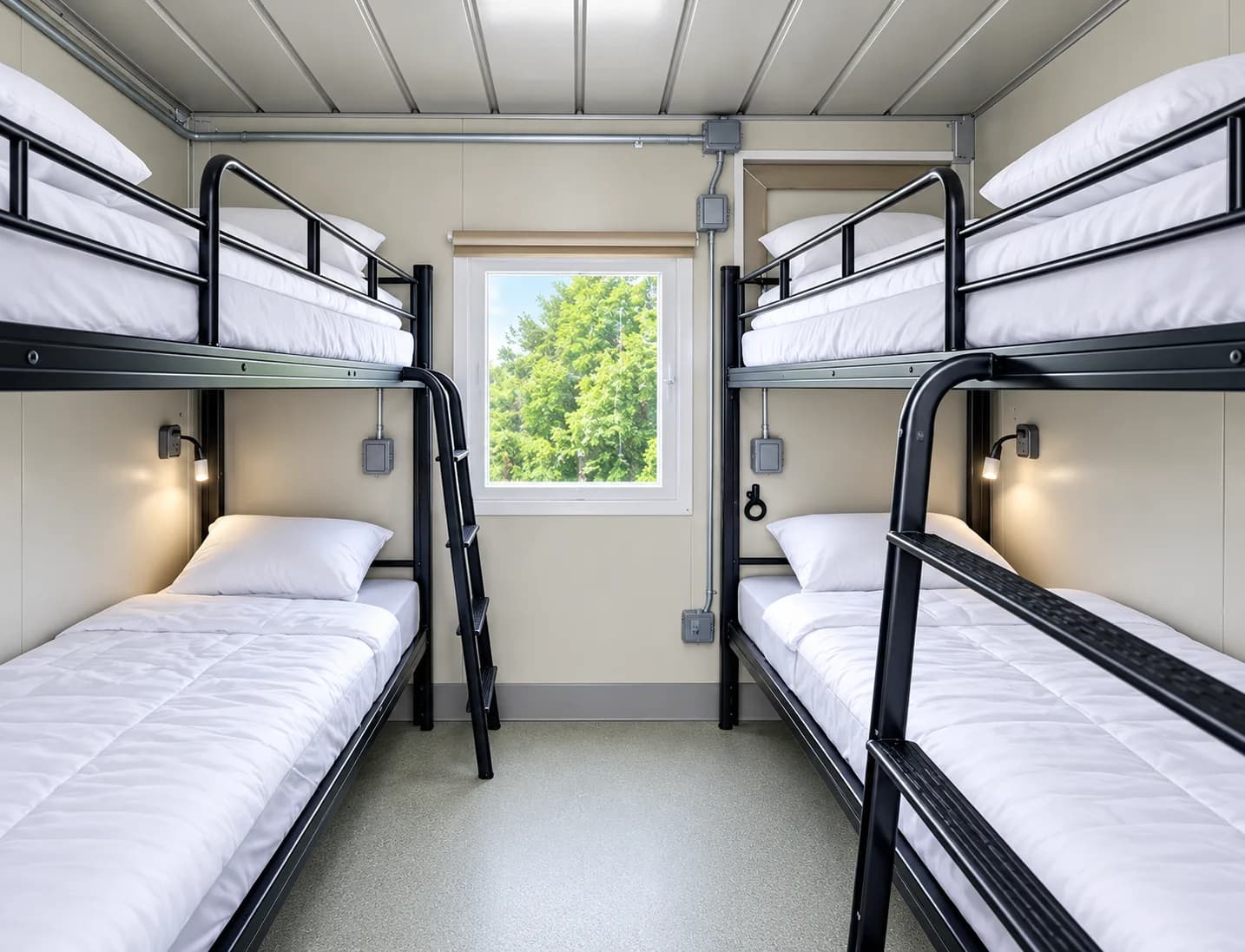
A Remote Man Camp rental is a temporary base where a commercial or industrial crew can live while working away from established accommodation. Remote workforce housing provides the sleeping space; a complete camp plan also considers showers, restrooms, laundry, meals, utilities, and the routes between them. The facilities required depend on your work, the crew's shift pattern, and what is already available at the site. Start with those needs rather than assuming every project needs the same package.
02How do I work out how much sleeping space my crew needs?
+
Start with the largest number of people who will stay on site at the same time, including overlapping rotations. Total project headcount and overnight occupancy can be different. Record the shift pattern, privacy requirements, accessible accommodation needs, and any expected crew growth. Those details help define the accommodation arrangement; they do not establish the capacity of a particular sleeper trailer. Confirm the actual unit layout and sleeping capacity before agreeing to a rental.
03How do showers, restrooms, and laundry fit into a camp plan?
+
Size the plan around daily use and the busiest shift change, with a separate review of the selected equipment. Standalone shower trailers, combined shower/restroom units, and standalone restroom trailers serve different needs. Laundry adds its own operating schedule and water, drainage, and electrical requirements. Think about the walk from accommodation to each facility, lighting after dark, cleaning access, and ongoing servicing. A count of beds alone cannot define all of those requirements.
04What utilities should I check before arranging a camp rental?
+
Check electrical service, potable water, wastewater arrangements, and the space available for the selected facilities. Each unit has its own requirements, so a single voltage, connection, or setup time should not be applied to the whole camp. Share what is available at the proposed working position, including distances to connections. The responsible site professionals should review any additional infrastructure and applicable approvals before delivery and occupancy are agreed.
05Can a remote camp support food preparation and meal service?
+
Food preparation, cold storage, and dishwashing should be considered as separate parts of the camp's daily routine. A mobile kitchen supports meal preparation, a dishwashing trailer supports reusable dishes and utensils, and refrigeration supports the ingredients that need temperature-controlled storage. Record the number of meals, menu, staffing, serving windows, and waste arrangements in your brief. Equipment configuration, service scope, and availability need to be confirmed for your project; the planning list is not an inventory guarantee.
06How do short-term trailer rentals and long-term trailer leasing differ?
+
Long-term remote workforce housing needs a plan for the routines that continue after the first delivery: cleaning, laundry, replenishment, maintenance access, and eventual collection. Record your expected start and finish dates, any phased arrivals, and possible extensions. Weekly or monthly needs can be discussed against the equipment and project scope. The written quote should establish the actual rental period, minimum terms, extension arrangements, and responsibilities rather than relying on a general duration label.
07What information matters for an emergency camp request?
+
Identify the request as urgent and give the site location, number of people, required start date, and facilities needed first. Separate immediate accommodation needs from facilities that can follow in another phase. Explain any known road restrictions, ground conditions, and available utilities. An emergency request does not establish equipment availability or a delivery time. Those details, and the access and setup arrangements, need confirmation for the actual location and situation.
08How is the cost of a Remote Man Camp rental worked out?
+
A project quote needs the accommodation arrangement, supporting facilities, rental period, location, and delivery and collection scope. Utility preparation, setup, ongoing servicing, and site access can also change what the project needs. Use the rental calculator for a budget based on entered rates, and the camp worksheet to prepare a consistent brief. Then ask for a quote that identifies equipment charges, the billing period, transport, setup, minimum terms, and exclusions. A complete quote makes those responsibilities clear before a booking is agreed.